What happens to a tungsten counterweight when the aircraft it balanced is retired, or when the part comes off during an overhaul? Too often it goes into a bin of mixed metal and is sold as steel or lead. It should not, because a counterweight is one of the densest things in a scrap pile and is worth far more than steel. Tungsten heavy alloy is 90 to 97 percent tungsten, and a counterweight is usually sized to pack a lot of mass into a very small space. This post covers how to recognize one, what to keep with it, and where it should go.
What a counterweight is made of
Most are tungsten heavy alloy: tungsten grains held together by a nickel-iron or nickel-copper binder, made to the four classes in ASTM B777. On an aircraft, a counterweight sits forward of a control surface’s hinge line to stop the surface from fluttering, and ballast does the separate job of keeping the whole aircraft’s center of gravity in range. How aerospace uses counterweights and ballast goes through both. Tungsten gets chosen because it puts the required mass in the least space, and the same material is what makes the part worth money when it is done.
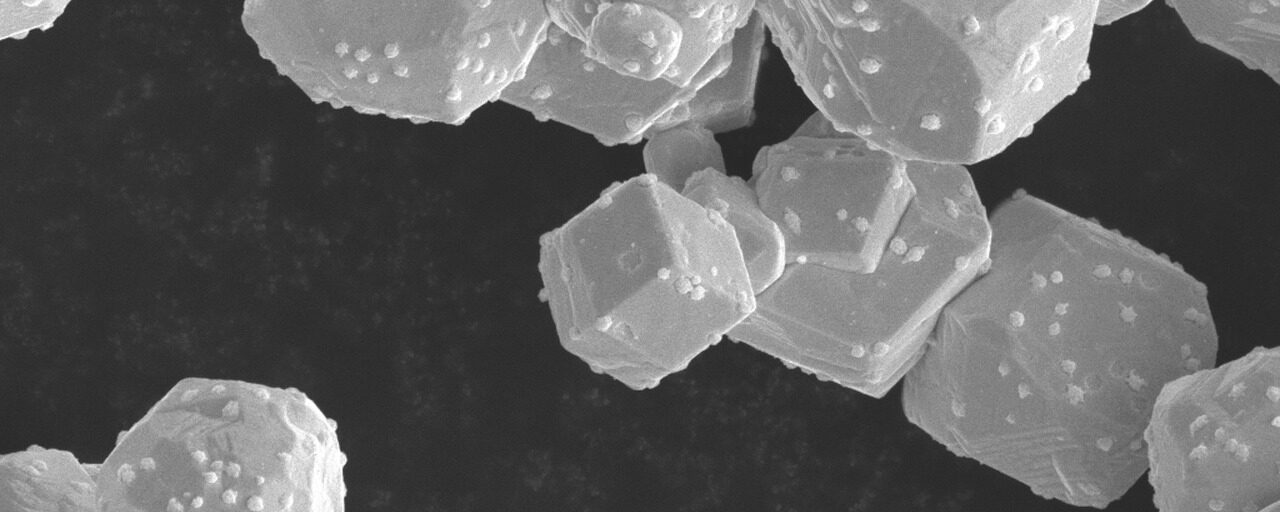
The photo at the top is a machined tungsten heavy alloy cube from Tungsten Parts Wyoming. A counterweight is usually a block like it, drilled or shaped to fit.
How to tell it from steel or lead
Weight is the first clue. A counterweight in Class 2 heavy alloy that weighs 10 pounds is only about 2.5 inches on a side. A piece of steel that size weighs about 4.5 pounds. If a small block feels far too heavy for its size, check it.
The reliable check is a scale and a bucket of water. A 1,000 gram piece reads about 943 grams hanging under water if it is Class 2 heavy alloy, against 873 for steel and 912 for lead. The steps are in how to read and check a density number. A magnet will not settle it. Nickel-iron heavy alloy is slightly magnetic, nickel-copper heavy alloy is not magnetic at all, and some stainless steels are not magnetic either.
What to keep with it
Keep the paperwork that came with the part: the certificate of conformance, the lot number, the drawing or part number, and any statement of where the tungsten was melted. Origin does not reset when material is recycled, and defense work already has to account for it. DFARS 252.225-7052 reaches recycled tungsten, and our page on why a manufacturer prices scrap differently explains what that means for the person selling it. A counterweight that can show where it came from is easier to place and easier to defend.
If it came off an aircraft
Scrapped aircraft parts carry rules of their own, because parts meant for the scrap bin have turned up again for sale as serviceable. The Aviation Suppliers Association’s best practice for disposing of unsalvageable aircraft parts describes how to keep them out of the marketplace. It is industry guidance, not a regulation, and the FAA’s older advisory circular on the subject, AC 21-38, is now listed as cancelled. So what applies to your part is a question for your quality manager, your repair station or your authority, not for a scrap buyer. Ask before anyone starts cutting or marking. Heavy alloy is tough on tools, and a part that has already been altered is something we want to know about.
The buyback loop for counterweights we made
If the counterweight came from Tungsten Parts Wyoming, the shortest route is back to us. The loop works like this: we make the part, you run it to end of life, we buy it back for credit, and it becomes the next part. It is the same pound of tungsten, sold twice, with a documented chain both times.
If someone else made it, we still want it. Our materials list includes heavy alloy counterweights, ballast and cores, with Densalloy and Mallory material named. Counterweights do not need to be sorted by grade before you call.
What selling one looks like
You tell us what it is, roughly how many pieces and how much they weigh, and whether the paperwork is still with them. Heavy alloy is dense enough that a cubic foot of Class 2 weighs about 1,090 pounds, so plan the pallet and the forklift before you plan the freight. We assay a sample, and the selling process ends with a written price before anything ships. The sample and assay step sets that price from your own material, which is why no price chart can tell you the number in advance.
Tungsten Buyers is the scrap acquisition arm of Tungsten Parts Wyoming, which runs powder-to-part tungsten manufacturing in Laramie. The counterweights you send back go to people who make the next one.
Can tungsten counterweights be recycled?
Yes. Heavy alloy is 90 to 97 percent tungsten, and it keeps its value at end of life. The tungsten goes back into production feed instead of a landfill or a mixed-metal bin. An assay of your own piece sets the price.
How do I tell a tungsten counterweight from steel or lead?
Compare weight to size, then run a water test. A 1,000 gram piece of Class 2 heavy alloy reads about 943 grams under water, against 873 for steel and 912 for lead. A magnet is not reliable, because nickel-copper heavy alloy is not magnetic and some stainless steels are not either.
Can I put a tungsten counterweight in the scrap metal bin?
You can, but a yard that cannot identify heavy alloy has no reason to pay for the tungsten in it. A sample sent for assay shows what the piece is actually worth.
Do I have to follow aviation rules when I scrap a counterweight?
If it came off an aircraft, your quality system or repair station may require the part to be marked or mutilated so it cannot return to service. Industry guidance from the Aviation Suppliers Association describes the practice, and the FAA’s older circular AC 21-38 is cancelled, so confirm what applies to you before you cut or mark anything.
Does Tungsten Buyers only buy counterweights made by Tungsten Parts Wyoming?
No. We buy tungsten heavy alloy counterweights, ballast and cores whoever made them, including Densalloy and Mallory material. If we made it, we will buy it back for credit through the loop.
What paperwork should I keep with a counterweight I want to sell?
The certificate of conformance, the lot number, the drawing or part number, and any statement of where the tungsten was melted. Defense work has to account for origin, and DFARS 252.225-7052 reaches recycled tungsten.